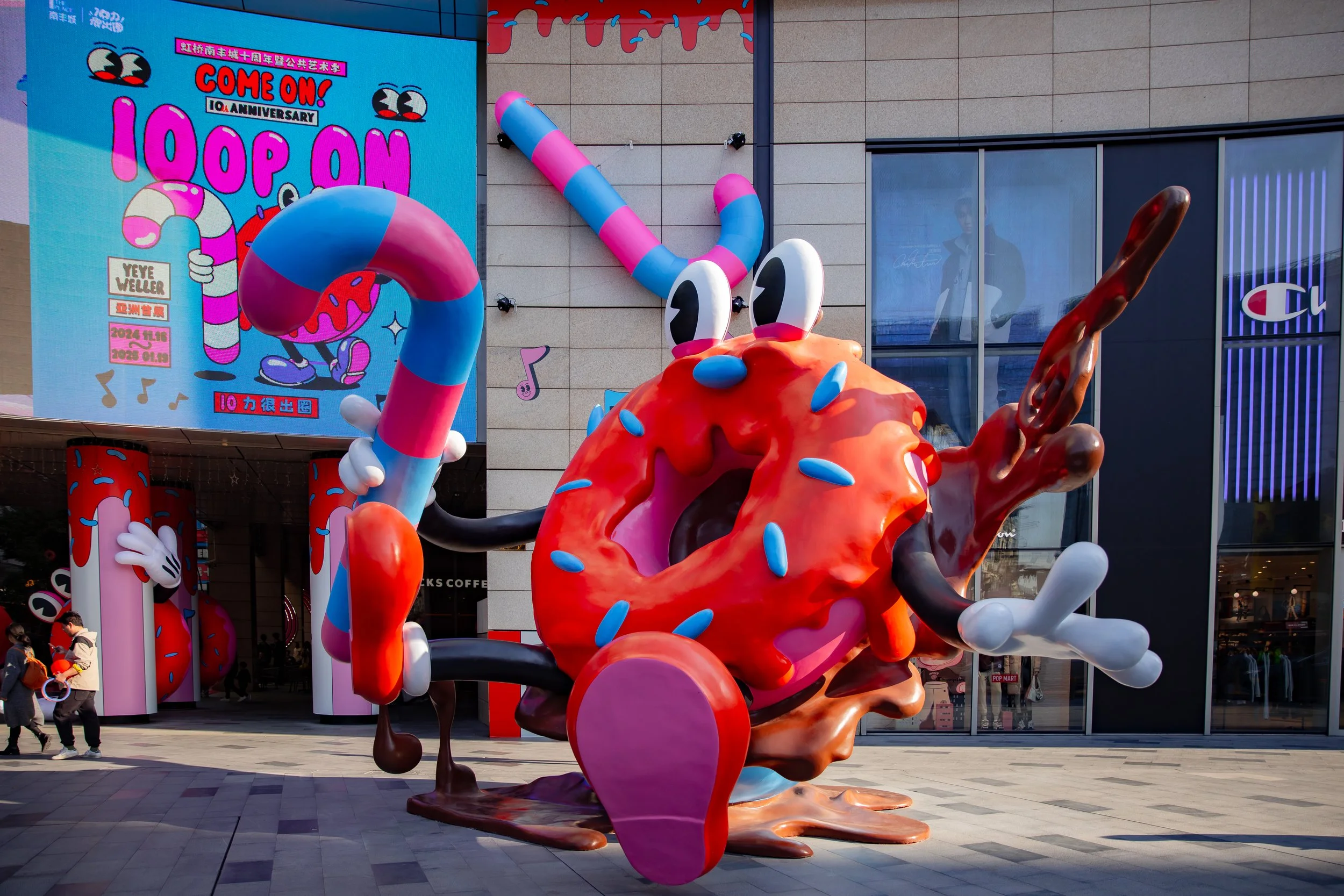
Yeye's work lives at the intersection of skate culture nostalgia and modern graphic design — bold colours, custom typography and a cartoon style nearly a century old, dressed up in a thoroughly contemporary outfit. It's a visual language built not in art school, but through years of trial and error, home-printed T-shirts, and an instinct for design that can't really be taught.
We sat down with Yeye to talk influences, process, and what it actually takes to develop a style that's unmistakably your own.
Q: Where did your visual style come from / what influenced you early on?
I think in the beginning it was a mixture of everything. The unusual skate designs, bright colours, custom typography and crazy illustrations had a huge appeal to us as young kids. Of course, we also looked up to the older guys in the skate scene. The way they dressed and the amazing tricks they could do on their boards was fascinating. Even today, there is something about that aesthetic that still resonates with us, although we haven't actively skated or been part of the scene for many years.
More than anything, though, we were drawn to the lifestyle and mindset. There was a sense of freedom and independence about it. Enjoying life, finding a passion and simply doing what you love. Since most of the early skate brands were founded by skaters themselves, it was always inspiring to see people believe in their own ideas and just make things happen. That's still an attitude we admire and try to live by today, even though it comes with challenges and has never been the easiest path.
Q: How did you actually learn the craft — was it formal training?
Back then it was all trial and error. There were no tutorials and nobody around us knew how to use the software we were experimenting with. We were simply fascinated from the start and spent our time exploring, creating and constantly learning along the way.
We never really had a specific goal. We just enjoyed making things and discovering new possibilities. It often took forever to figure things out, but over time we developed enough skills to create what we wanted.
We started by designing logos and title graphics for our skate video clips. Eventually, that led to our first small skate brand, mainly as a way of giving everything a name and identity. As time went on, we wanted to do more and started producing small runs of T-shirts. At first, we made them ourselves using iron-on transfers printed at home. Later, we even managed to produce a few small screen-printed collections.
We never did any of this for commercial reasons. It was always about passion and the excitement of creating something ourselves and sharing it with others. Even today, when running a business means paying rent and covering bills, that love for creativity and design is still what drives us.
At the same time, we learned a lot about the practical and organisational side of things and realised how much work goes into building something from scratch. Looking back, it was a valuable lesson: if you want to become good at something and eventually succeed, you need to invest time, energy and genuine passion into it.
Q: Did you always have natural drawing talent?
To be honest, I was never exceptionally talented when it came to drawing. There were probably a few kids in primary school who were better than me. But I wasn't bad either, and most importantly, I always enjoyed it. Because I loved doing it, I naturally kept improving over time.
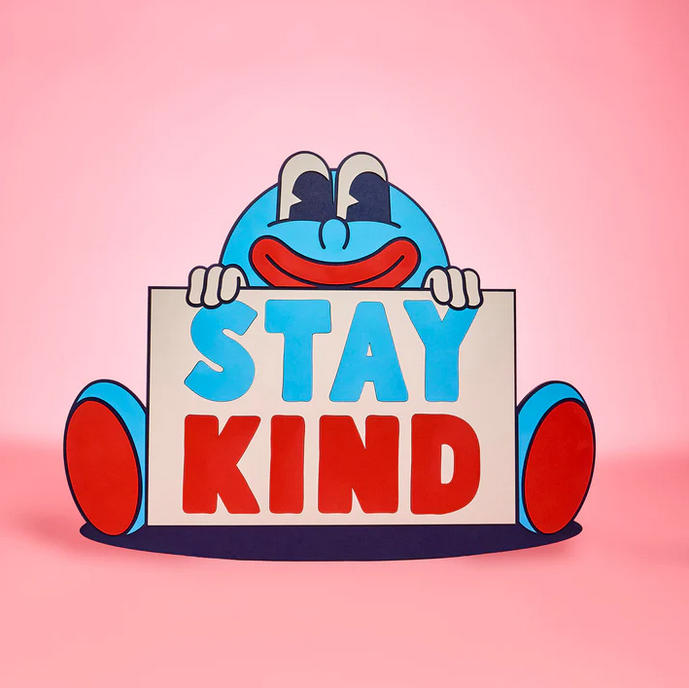
We've always seen drawing as a craft. At the very least, it's important to understand the basic fundamentals. From there, everyone has to decide how deeply they want to dive into it. For our clean cartoon style, a fairly high level of drawing ability is definitely required. At the same time, we've never considered ourselves pure illustrators, so we never reached that absolute top tier of technical drawing skill.
Instead, we turned our limitations into strengths. Since we weren't interested in creating ultra-complex scenes or highly sophisticated perspectives, we gradually developed a more reduced and graphic visual language. Over time, that simplified style became one of our trademarks.
Q: Can drawing/design skill be taught, or is some of it just natural instinct?
In general, we believe that drawing is something that can be learned through dedication and passion. A lot of it is technique, and with enough practice most people can become quite good. What is much harder to teach, in our opinion, is having a graphic eye or a strong sense of aesthetics.
Of course, there are principles, theories and design rules that can help you improve, and experience plays a huge role as well. But that instinct for the small details that make something feel just right is difficult to learn. You either seem to have a natural sensitivity to those things or you don't.
That appreciation for beautiful design and small visual details has always been part of who we are and shows up in everyday life. To this day, we're still the kind of people who buy wine or beer based on the label. The taste matters, of course, but the packaging often catches our attention first. For us, great design enhances the entire experience.
Q: Walk us through your process — how does a piece actually come together?
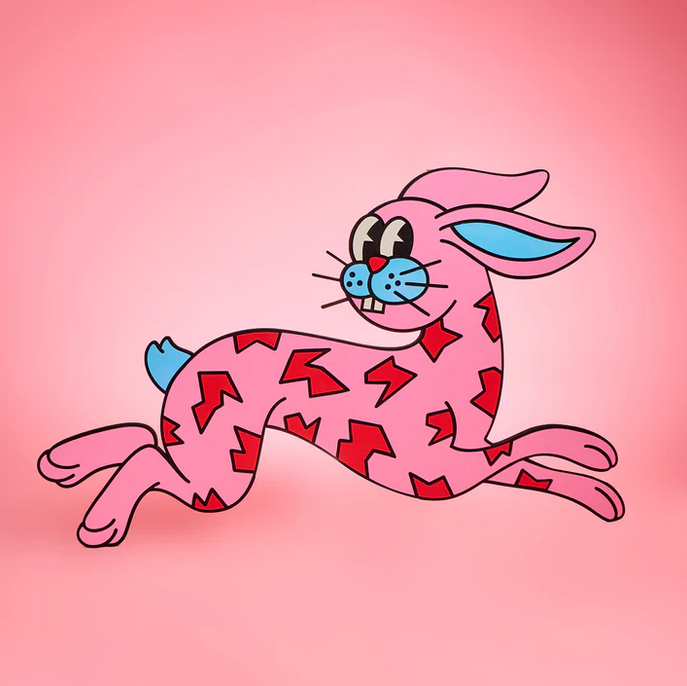
When starting a new piece, we've naturally developed routines and instincts over the years that have become part of our signature style. We generally know what works well for us and what doesn't fit our visual language. We still like to experiment, and some of the most exciting moments happen when unexpected ideas emerge during the creative process.
That said, we've never really been afraid of a blank sheet of paper. The core ideas usually come quite quickly. What often takes much longer are the details.
The real challenge is creating a balanced composition that feels bold and eye-catching while remaining harmonious at the same time. Making something that works as a whole but also rewards closer inspection with interesting details is often the hardest part. Sometimes everything comes together naturally in a single creative flow, but there are also occasions when we spend hours adjusting colours and tiny elements before we're completely satisfied.
Q: How has your style evolved since you started?
In the early days, the main goal was simply to experiment and improve. We were still a long way from developing our own distinctive style. At that point, we were inspired by many different artists, brands and visual influences, and often tried to recreate things we admired just to understand how they worked. Back then, successfully replicating a technique or aesthetic already felt like an achievement.
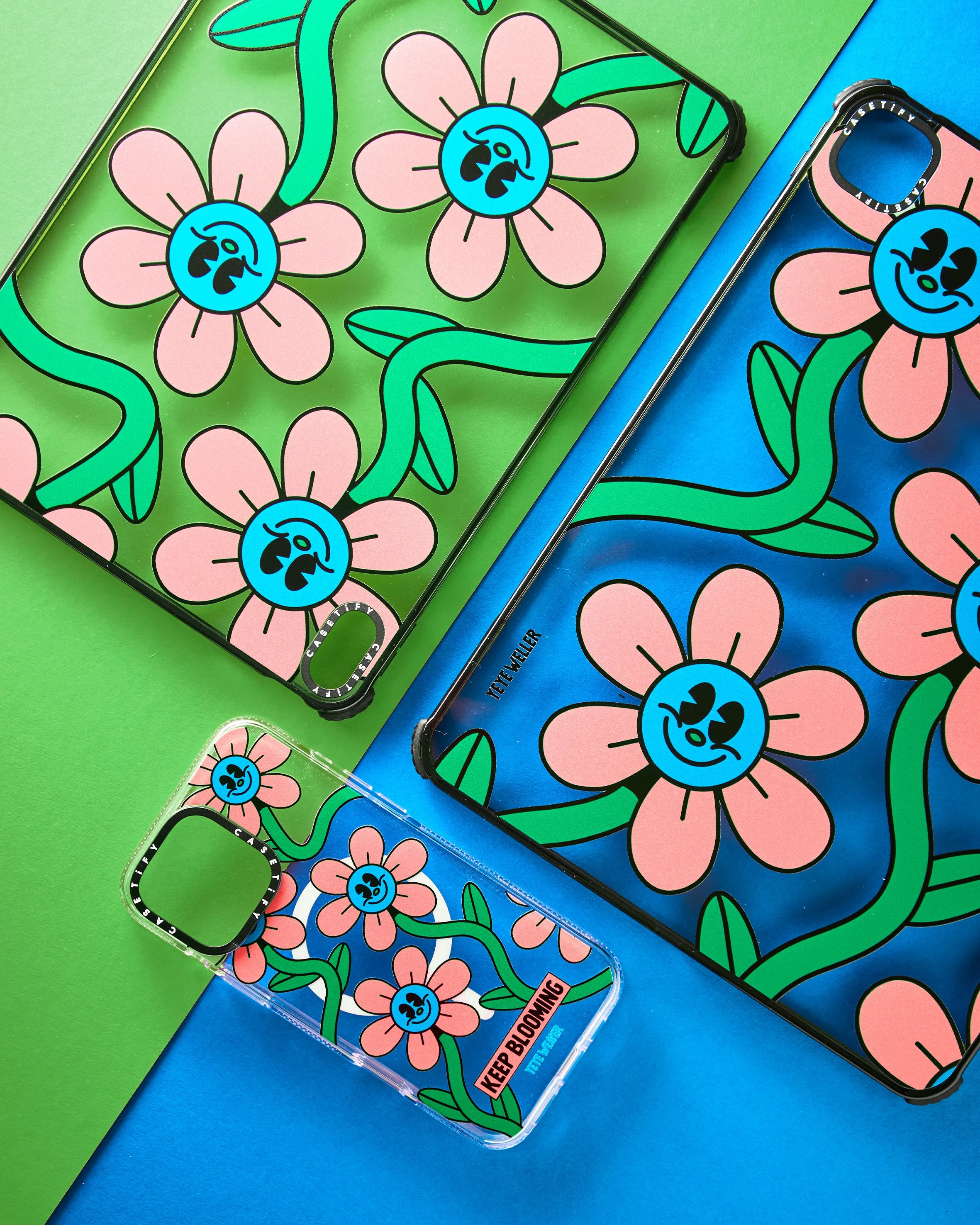
Over the years, something more personal gradually emerged from that process. Our visual taste became more refined, and our eye naturally focused on certain elements that pushed us in a particular creative direction. Little by little, our own style started to take shape.
Today, the way we work is naturally much more focused. We often begin with a briefing, we know our tools inside out, and we have a deep understanding of our own visual language. That means we rarely take unnecessary detours and can arrive at strong results much faster than before.
At the same time, the creative process itself hasn't really changed. It still starts with good music, sketching ideas and letting things evolve naturally. From there, the artwork gradually takes shape at the desk until it becomes a finished piece.
Q: With so much content online (and now AI), how do you stay motivated / stand out?
The competition today is enormous—and not just because of AI or ChatGPT. Every second, you can scroll past countless high-quality artworks on Instagram and other platforms. Standing out in that environment isn't easy, but it should never be the main motivation for creating something.
For us, almost everything is based on intuition. We make the things we genuinely like ourselves and trust our own taste. We don't think about likes, algorithms or dollar signs while creating. Once those things become the focus, the work can quickly become generic and uninspired. We believe that you should always create what excites you personally. That's the essence of art. Authenticity comes first, and success or recognition can only follow from that.
Q: What do you think makes your work distinct / recognisable as "yours"?
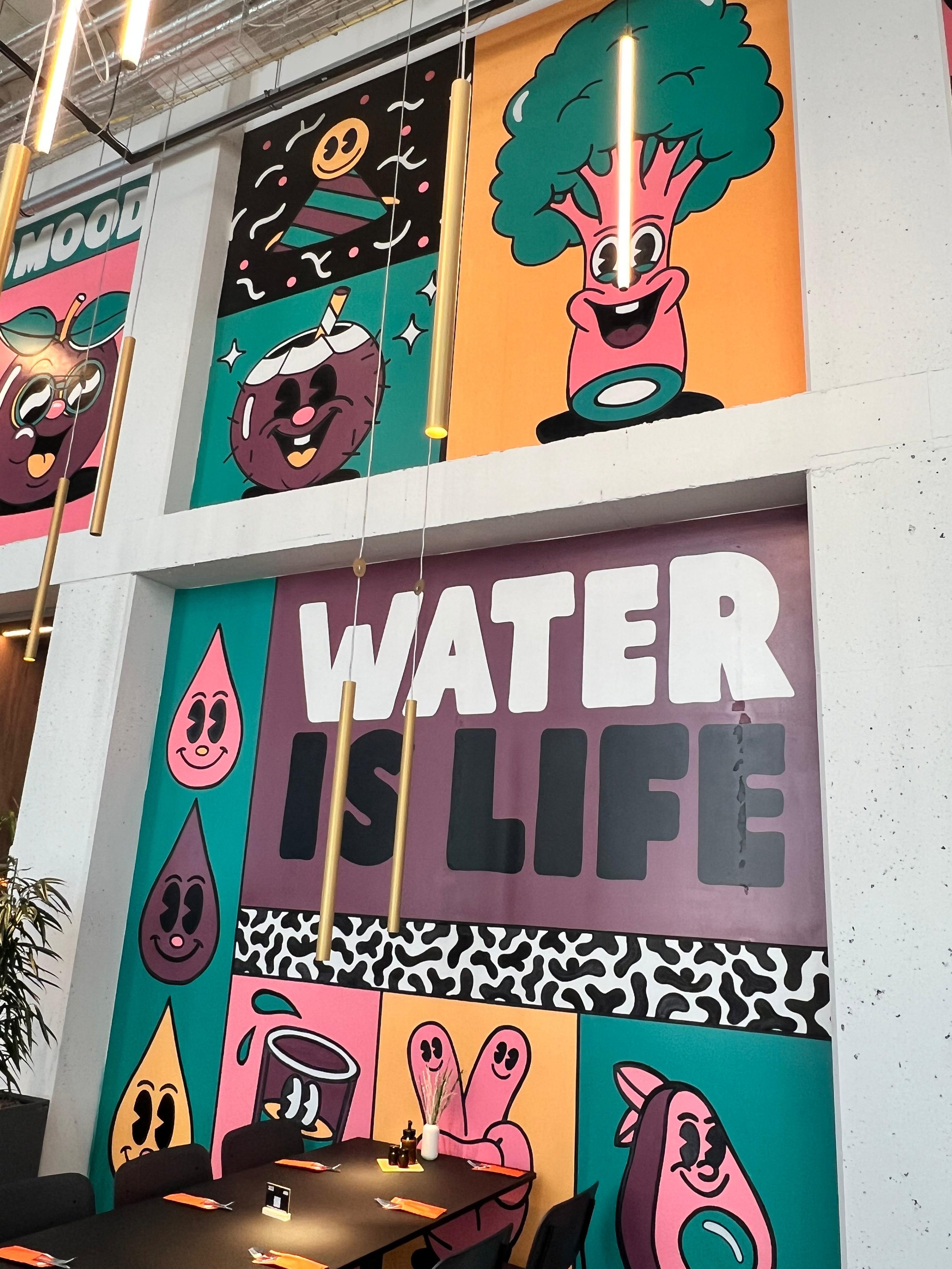
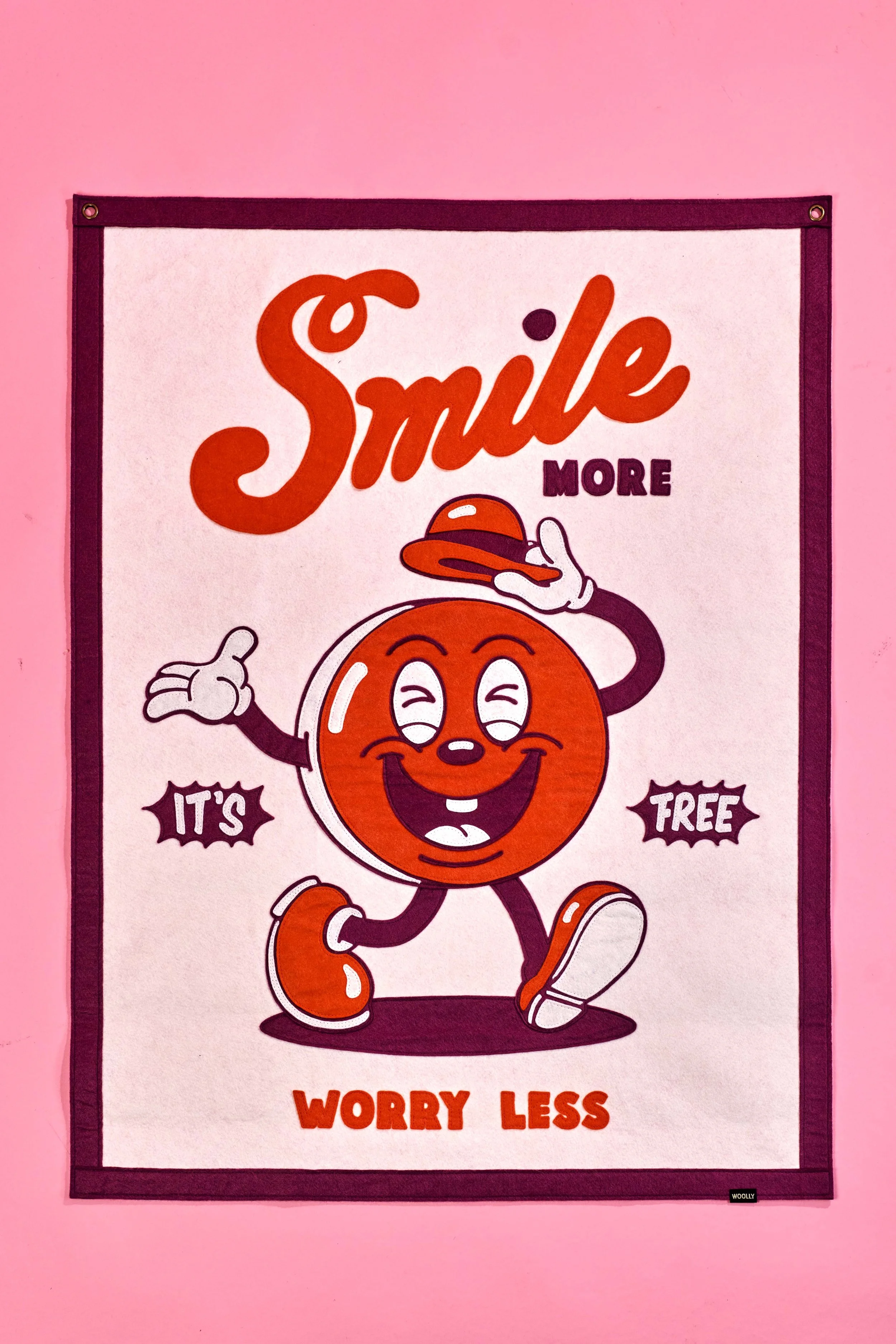
What makes our work unique is probably the combination of traditional and contemporary influences. The cartoon style itself is nearly a hundred years old, but we've tried to dress it in a more modern outfit through visual gimmicks, unusual perspectives and a slightly unexpected sense of humour.
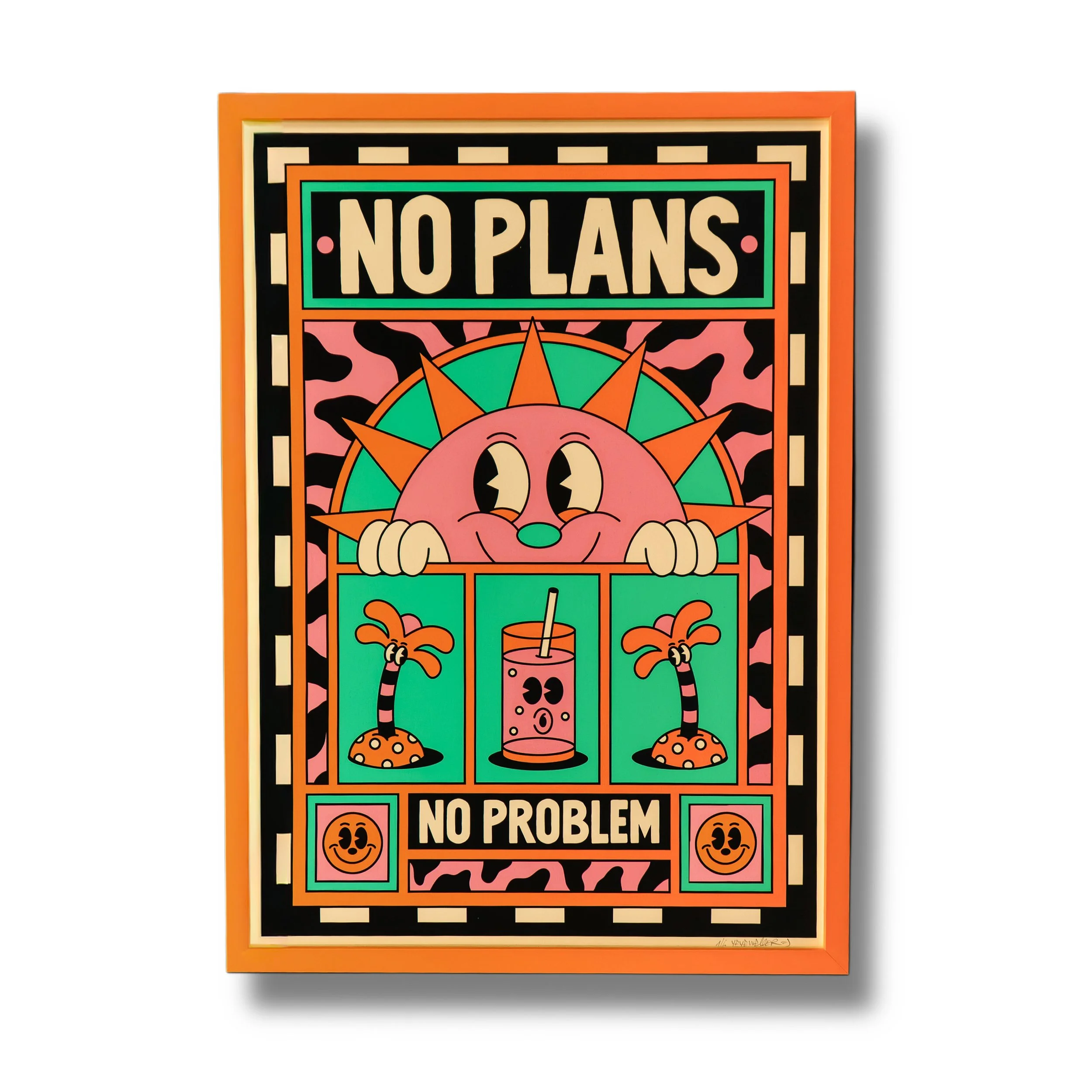
The same applies to our layouts. Many of them are actually quite traditional and often take inspiration from poster design of the 1950s and 60s. However, by combining those classic structures with bold colours, modern patterns and abstract shapes, the final result feels fresh, contemporary and relevant.
I think that balance between old and new is at the heart of what defines our work. Of course, there are many more subtle nuances and details involved, but that would probably be a much longer conversation.