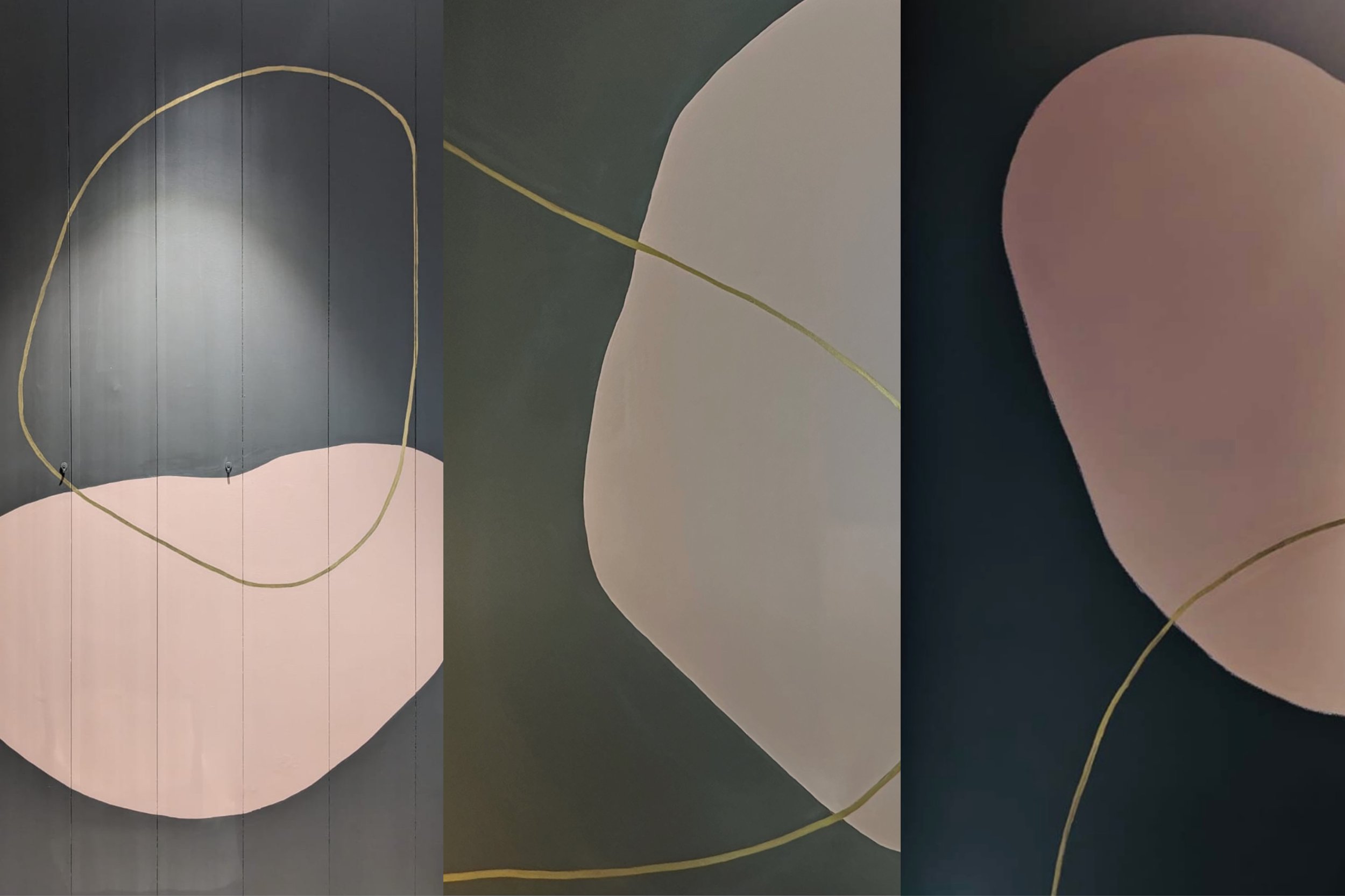
The case for commissioning original art that grows with your space — not just decorates it.
There's a moment in every renovation when all the right decisions have been made. The tiles
are beautiful. The furniture is considered. The landscaping is coming in. And yet something still
feels unfinished — like the space is waiting for permission to have a point of view.
That's where a mural comes in.
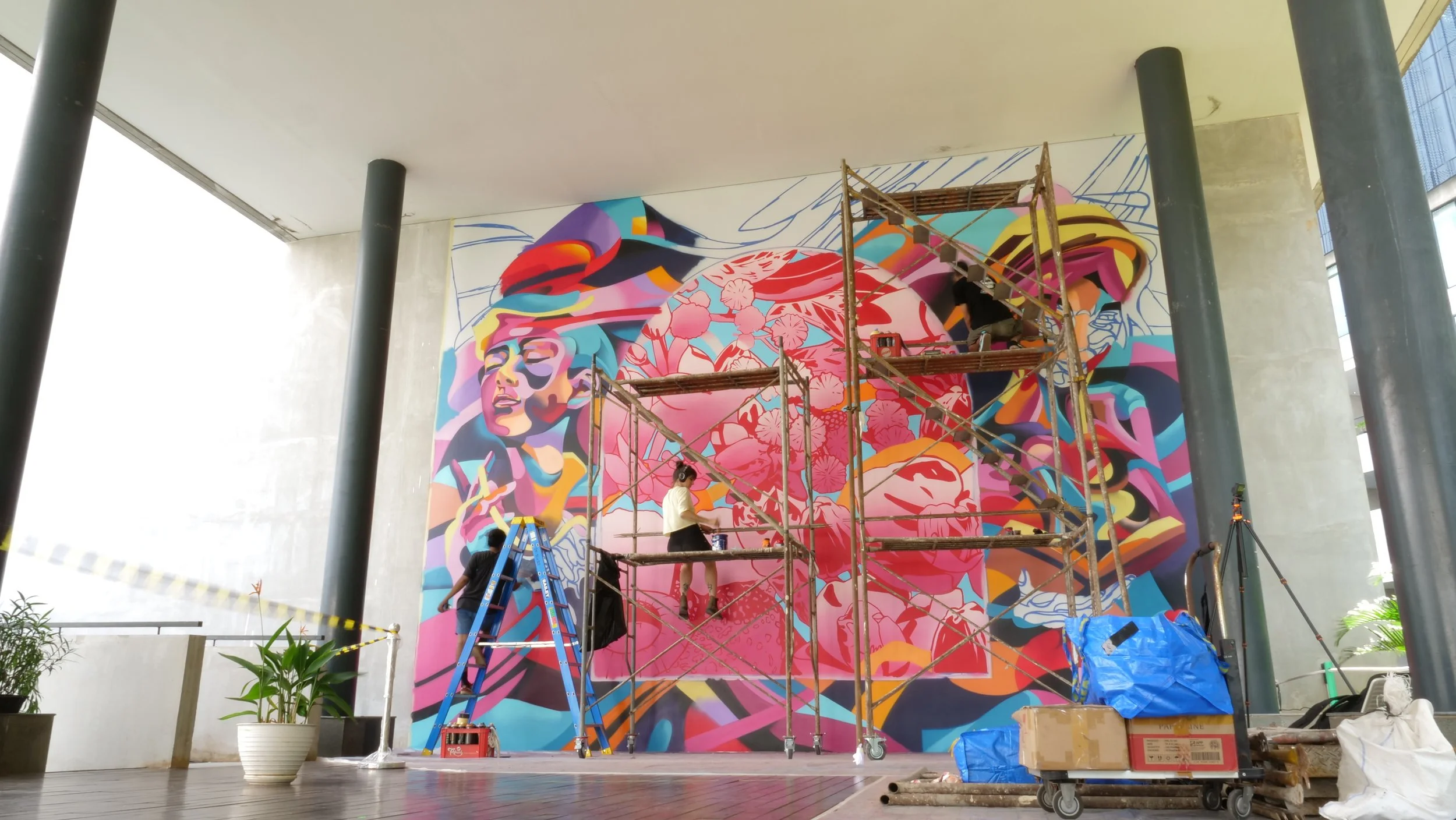
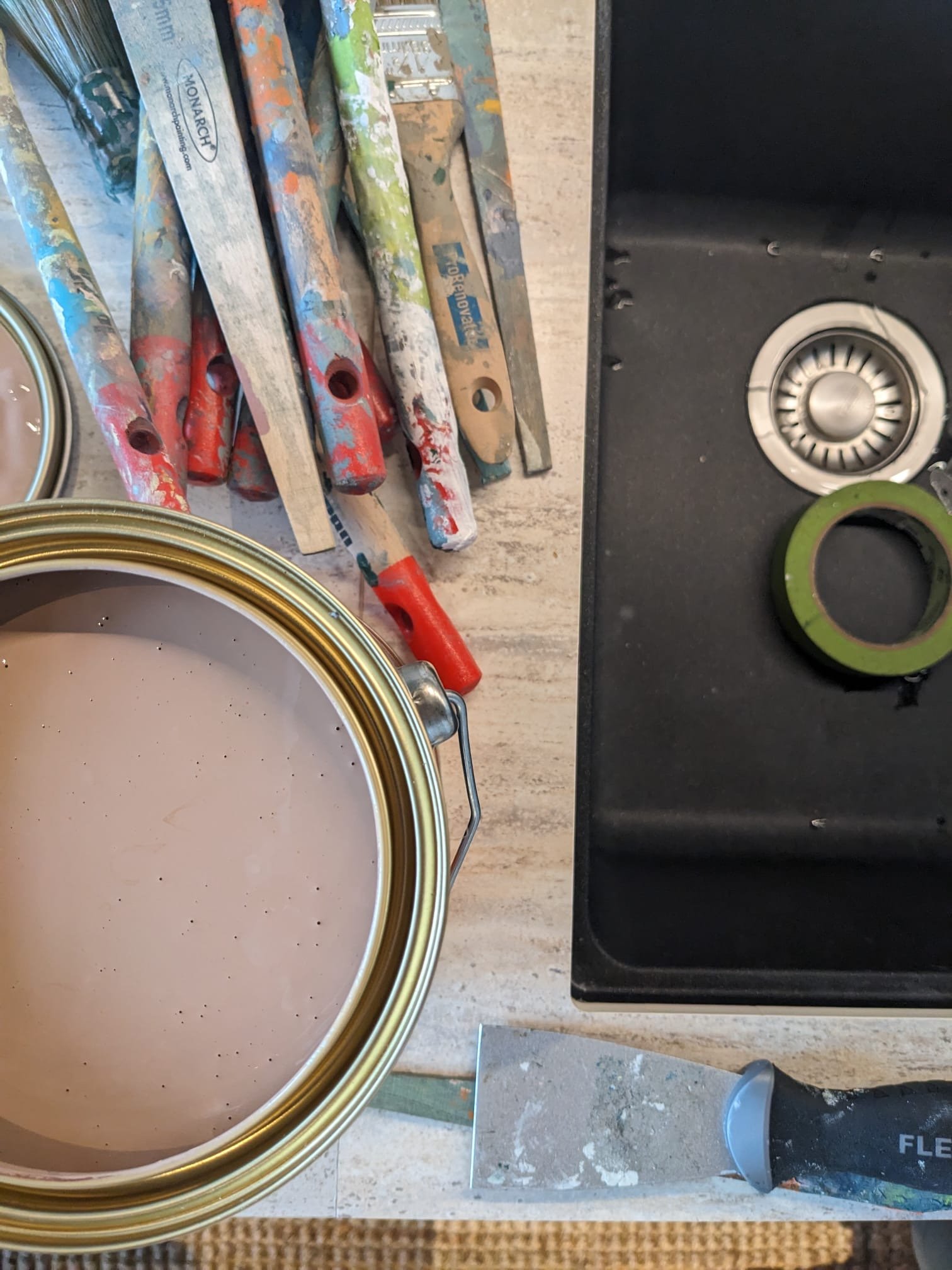
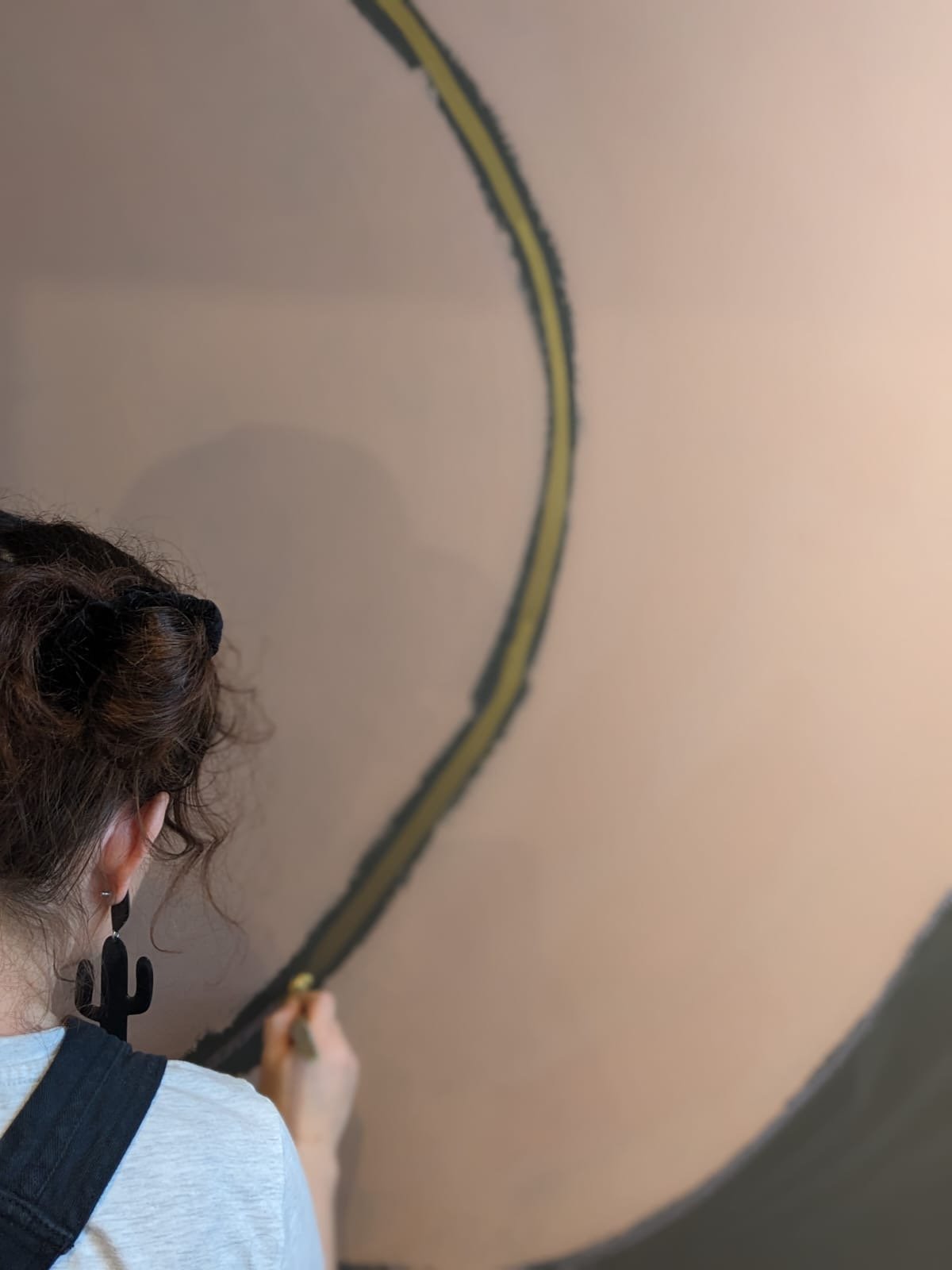
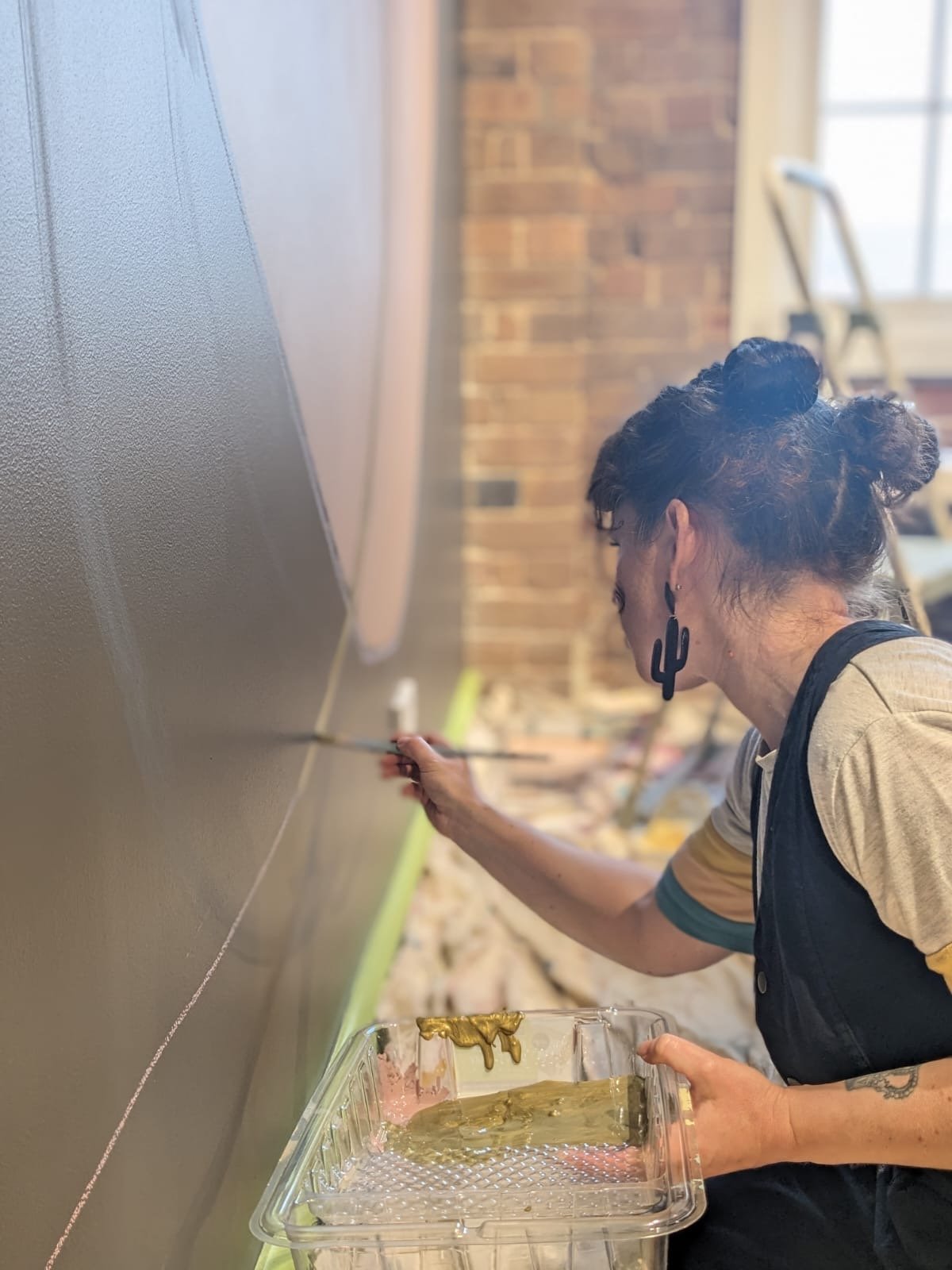
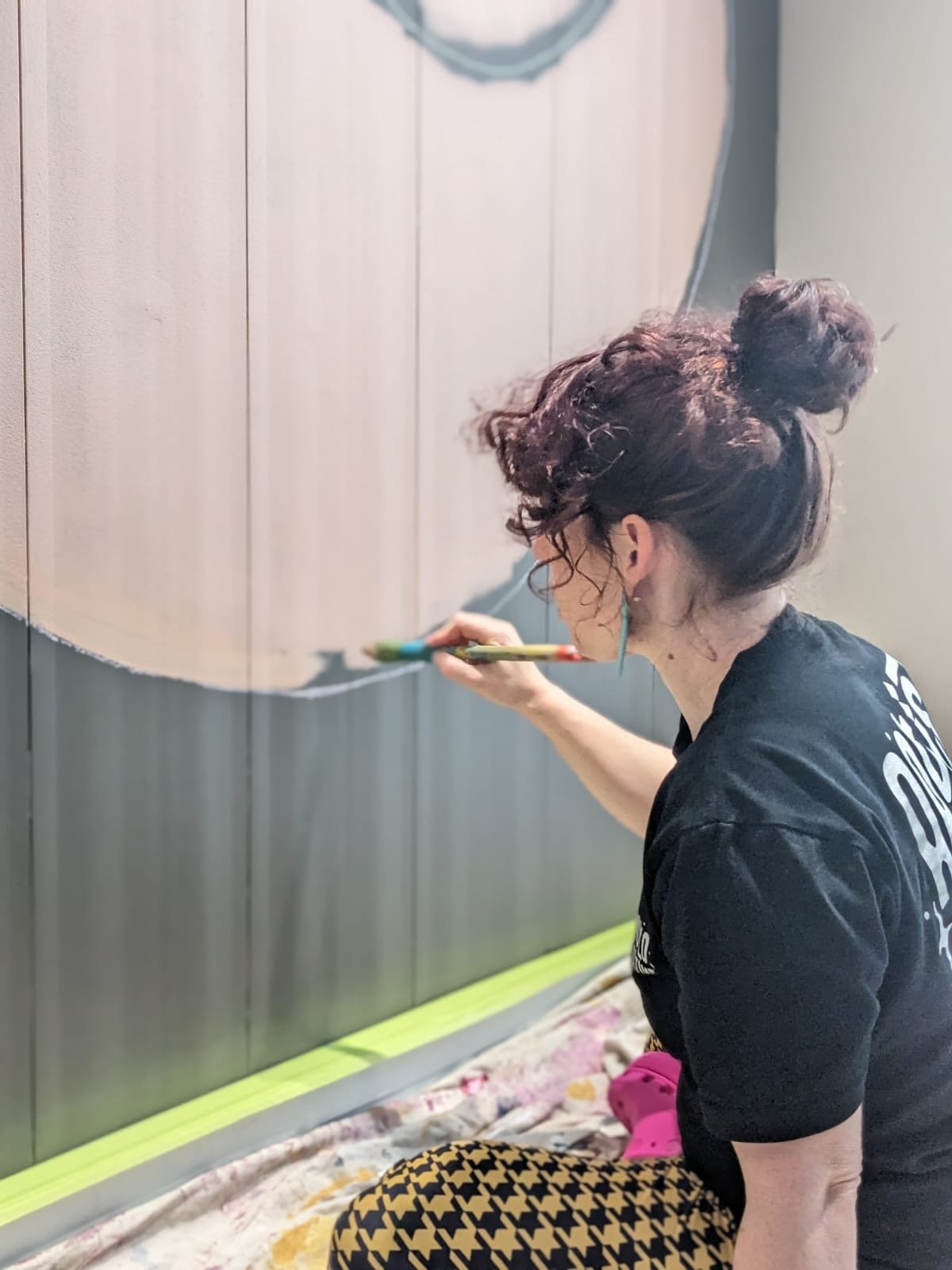
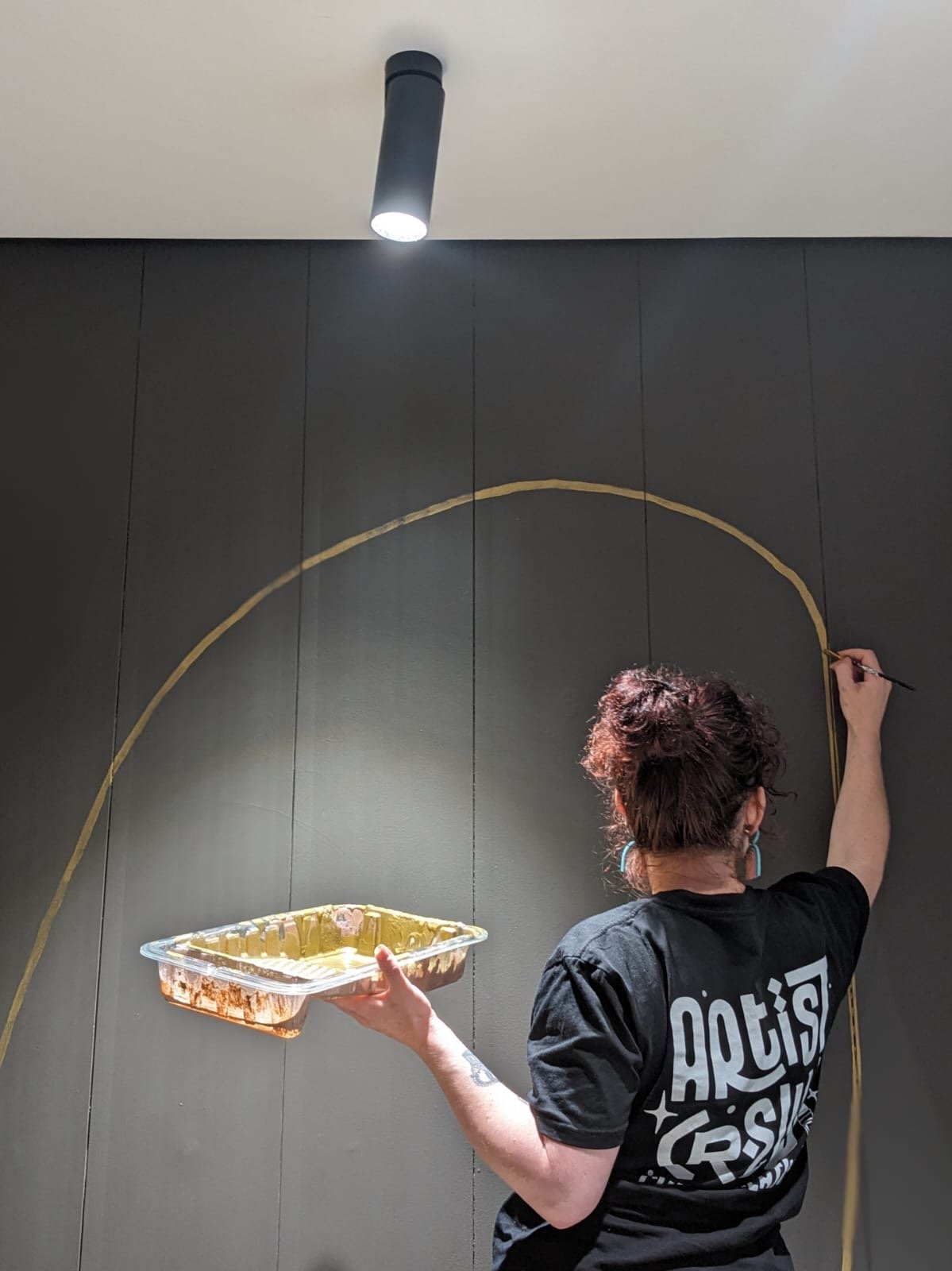
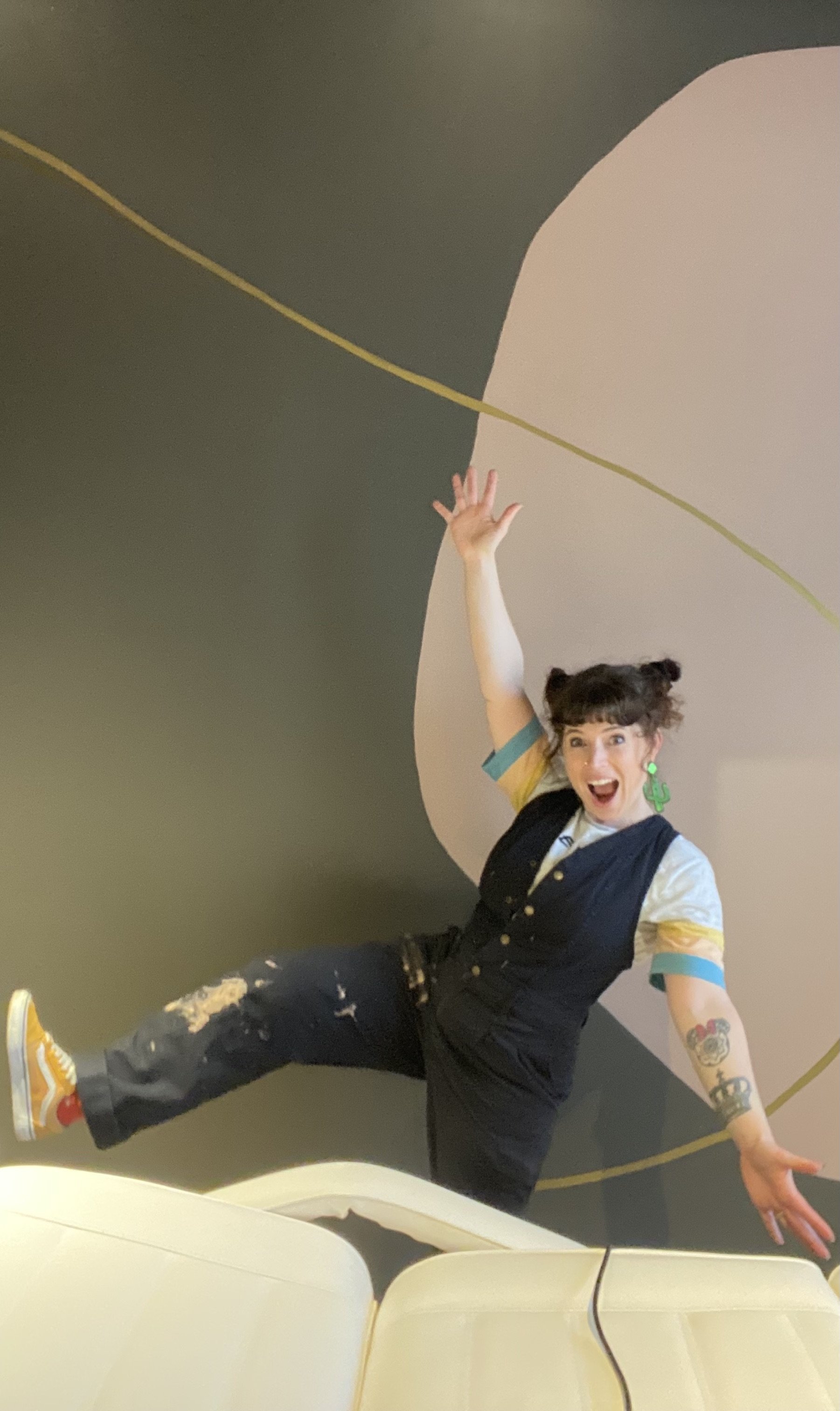
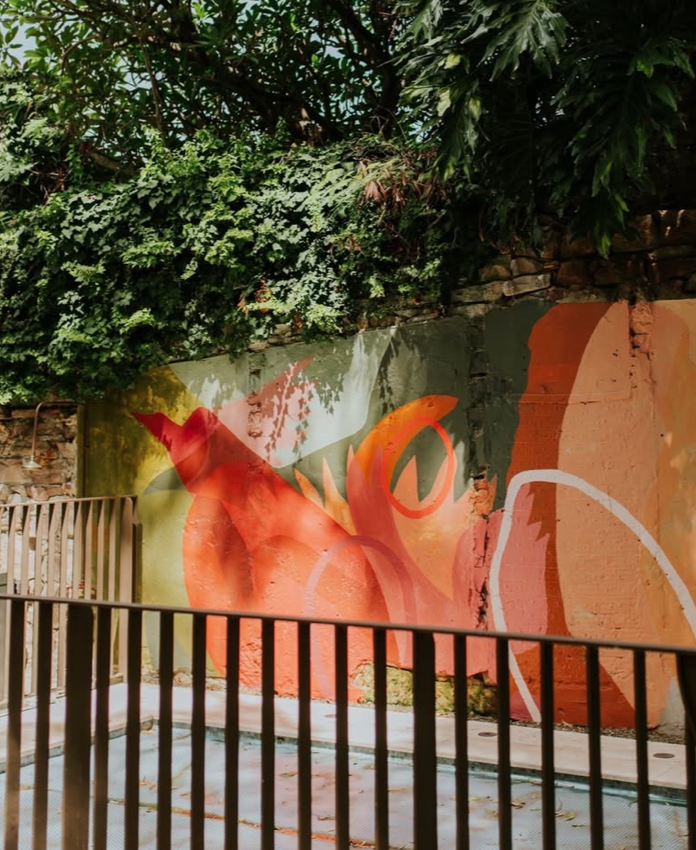
In Rozelle recently, artist Nastia completed a large-scale work for a private residence that
captures exactly what a commissioned mural can do when it's done with intention. Painted
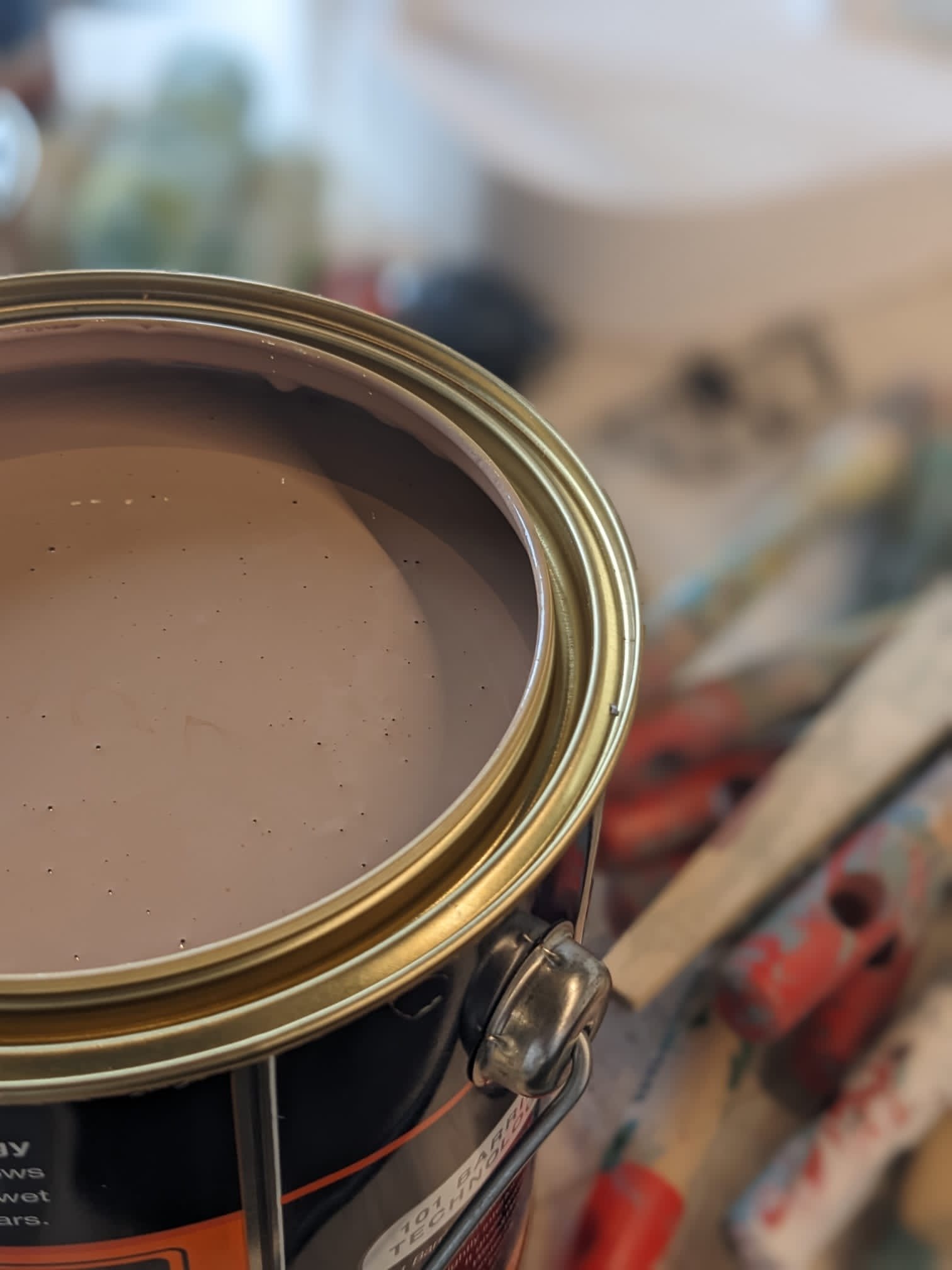
along an old stone boundary wall beside the pool, the work unfolds in waves of terracotta,
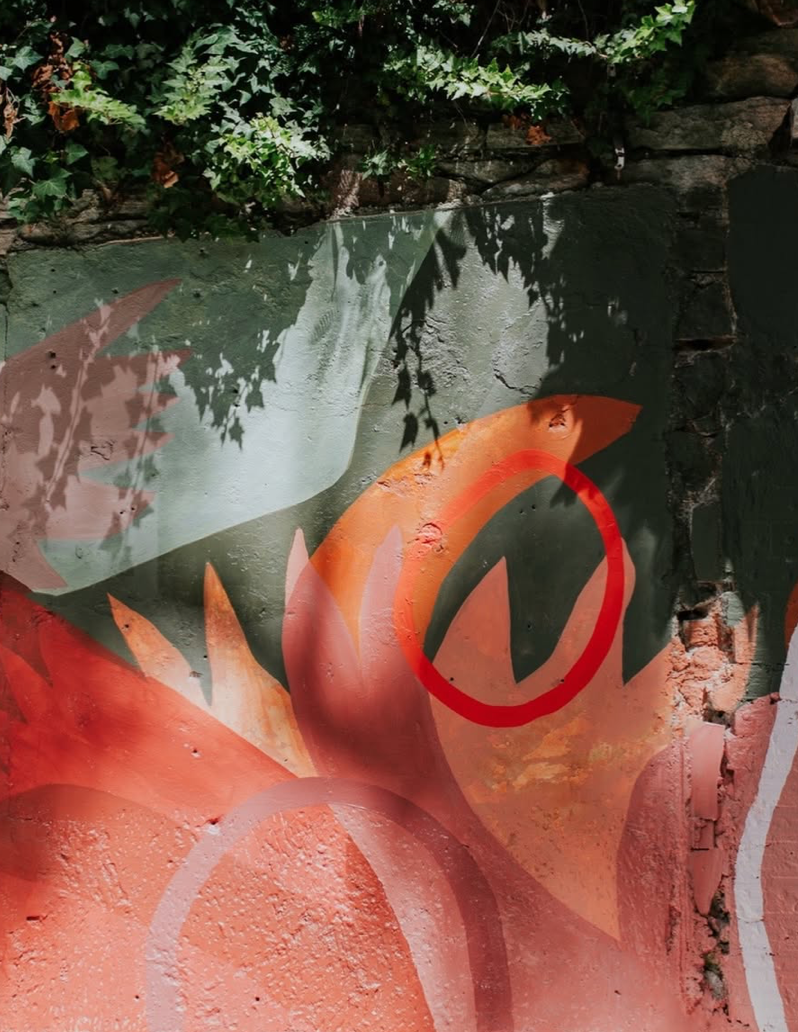
warm peach, deep sage, and burnt orange — organic forms that lean into the cracked texture
of the wall rather than fighting it. Lush overhanging trees cast real shadows across painted
ones. The line between what's growing and what's rendered quietly dissolves.
It is, quite simply, the thing you remember about the space.
A backdrop that earns its place
Interior designers are skilled at creating environments that feel cohesive. But cohesion and
character are different things. Cohesion is achieved through restraint — a considered palette, a
material language, proportions that respect each other. Character requires something that
couldn't be sourced from a catalogue.
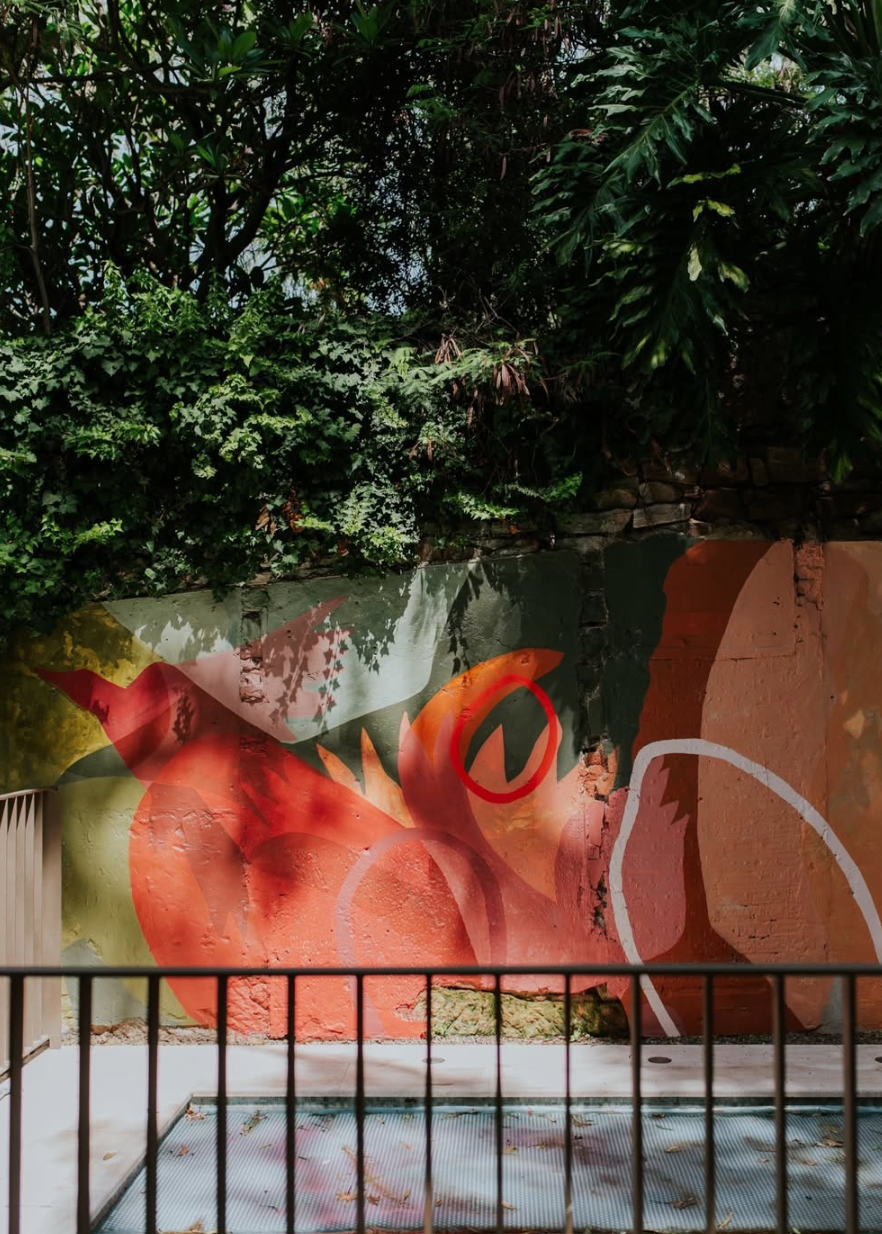
A site-specific mural is inherently unrepeatable. It is made for the wall it lives on, the light it
receives, the view it shares with the person standing in front of it. In Nastia's Rozelle work, the
stone wall itself became part of the composition — exposed brick breaks in the render were
absorbed rather than concealed, giving the finished work an honesty that a printed wallpaper or
a canvas import simply cannot replicate.
For outdoor entertaining areas, pool surrounds, hallways, stairwells, and feature walls, this
matters enormously. These are the spaces that leave an impression.
Designing with nature, not against itThe brief for this project asked for something organic — forms that felt grown rather than
constructed, colour that sat comfortably alongside the subtropical planting overhead. Nastia
responded with a palette pulled directly from the garden: the terracotta of dried earth, the
salmon of a bird of paradise in late afternoon light, the olive-grey of shaded stone.
The result is a mural that appears to belong. Not decorative in the way of something added, but
environmental in the way of something discovered.
This is the real opportunity for designers: a mural commissioned in dialogue with a landscape,
an interior, or an architectural detail becomes a thread that ties everything else together. It
doesn't compete with the space. It completes it.
What to consider when commissioning a mural
Surface and setting first.
The character of the wall — its texture, its age, its relationship to light — should inform the work
before a single mark is made. Rough render, weathered brick, polished plaster: each calls for a
different approach.
Artist selection is everything.
A mural is an intimate collaboration. Look for an artist whose existing body of work
demonstrates sensitivity to the spaces their work inhabits, not just technical skill in isolation.
Give the brief room to breathe.
Nastia's brief in Rozelle was directional, not prescriptive — organic forms, a warm palette,
something that would feel at home in the garden. That latitude is what allowed the work to
become genuinely site-specific rather than a transferred design.
Think about longevity.
Unlike a trend-driven finish or a fashion-forward tile, a considered original work tends to age
gracefully. The imperfection of a painted surface deepens over time rather than dating.
The question worth asking
When a client walks through the finished space for the first time, what do they reach for their
phone to photograph? What do they describe to people who haven't seen it yet? What do they
come back to sit with?
In Rozelle, the answer is the wall. Not the wall as architecture, but the wall as something that
looks back at you — alive with colour, generous with shade, quietly extraordinary in a way that
the whole space seems to radiate outward from.
That's what a mural can do. And it's worth building a project around.Interested in commissioning a mural for a residential or commercial project? Get in touch with Nastia
directly to discuss how an original work could transform your next space.
Big shout to Musa Studio for inspiring us with the dreamy interiors that formed the brief: https://www.musastudio.com.au/